
Understanding what enterprise resource planning software actually does — and how platforms like ProFinda are helping businesses run more efficiently.
Running a business today means managing dozens of moving parts at once — finance, inventory, HR, sales, operations — often across disconnected tools and spreadsheets. Enterprise resource planning software exists to solve exactly that problem: bringing every core business function into a single, connected system.
This blog breaks down what enterprise resource planning software is, why it matters, and how businesses can evaluate the right solution — including platforms like ProFinda that are built to support this kind of connected operational efficiency.
What Is Enterprise Resource Planning (ERP) Software?
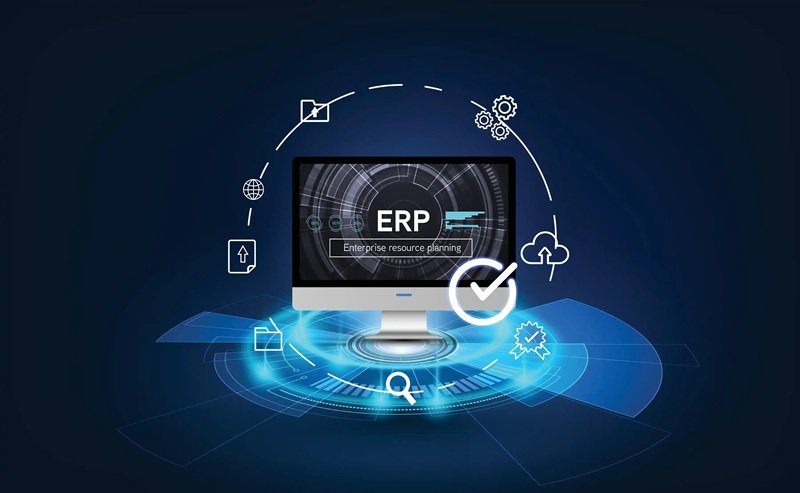
Enterprise resource planning software is a centralized system that integrates core business processes — such as finance, human resources, inventory, procurement, and operations — into one unified platform.
Instead of managing separate tools for each department, ERP software allows businesses to:
- Share real-time data across departments
- Standardize processes company-wide
- Reduce manual data entry and duplication
- Improve visibility into overall business performance
In simple terms, ERP software acts as the operational backbone connecting how different parts of a business function together.
Why Businesses Need Enterprise Resource Planning Software
1. Centralized Data Across Departments
Instead of finance, sales, and operations working from separate spreadsheets or disconnected tools, ERP software creates a single source of truth accessible across the business.
2. Improved Efficiency and Reduced Manual Work
Automating repetitive processes — like invoicing, inventory tracking, or payroll — reduces errors and frees up employee time for higher-value work.
3. Better Decision-Making Through Real-Time Data
With all departments feeding into one system, leadership gets accurate, real-time insights instead of relying on outdated or fragmented reports.
4. Scalability as the Business Grows
ERP systems are designed to scale alongside business growth, supporting more users, transactions, and complexity without needing constant tool switching.
5. Stronger Compliance and Reporting
Centralized systems make it easier to maintain consistent records, simplifying audits, compliance checks, and financial reporting.
Core Modules Typically Included in ERP Software
Most enterprise resource planning software includes modules such as:
- Finance and accounting — Budgeting, invoicing, and financial reporting
- Human resources — Payroll, attendance, and employee management
- Inventory and supply chain — Stock tracking, procurement, and logistics
- Sales and customer management — Order processing and customer data
- Project and resource management — Planning, tracking, and resource allocation
Some platforms, like ProFinda, place particular emphasis on the resource and workforce planning side of ERP — helping businesses match the right people, skills, and availability to the right projects, alongside broader operational data.
How ProFinda Fits Into Enterprise Resource Planning
ProFinda is often used by businesses looking to strengthen the workforce and resource management side of their ERP strategy. Its focus areas typically include:
- Skills and resource visibility — Understanding who is available, and what skills they bring, across the organization
- Project and workforce matching — Aligning the right people with the right projects based on real data
- Operational efficiency — Reducing time spent manually coordinating resource allocation across teams
For businesses where people and project resourcing are as critical as financial or inventory data, integrating a platform like ProFinda alongside core ERP functions can strengthen overall operational planning.
How to Choose the Right ERP Software for Your Business
- Identify your core operational challenges — Is the priority finance, inventory, HR, or resource planning?
- Consider integration needs — Ensure the ERP system connects well with existing tools and platforms
- Evaluate scalability — Choose a system that can grow with your business, not just fit current needs
- Assess ease of use — A powerful system is only effective if teams can actually use it efficiently
- Review vendor support and updates — Ongoing support and regular updates matter for long-term reliability
Common Mistakes When Implementing ERP Software
- Choosing a system based on features alone, without evaluating actual business fit
- Underestimating the time needed for proper implementation and training
- Failing to involve key departments in the selection process
- Ignoring data migration challenges from legacy systems
- Overlooking resource and workforce planning needs in favor of only finance or inventory modules
FAQs
Q1. What is the main purpose of enterprise resource planning software?
Its main purpose is to centralize core business functions — like finance, HR, and operations — into one connected system, improving efficiency and visibility.
Q2. How is ProFinda different from traditional ERP systems?
ProFinda focuses specifically on workforce and resource planning — helping businesses match people, skills, and availability to projects — often complementing broader ERP functions like finance or inventory.
Q3. Is ERP software only useful for large enterprises?
No. While originally common among large businesses, many ERP solutions today are scalable and accessible for small and mid-sized businesses as well.
Q4. How long does ERP software implementation typically take?
Implementation timelines vary based on business size and complexity, but most range from a few months to over a year for larger organizations.
Q5. Can ERP software integrate with existing business tools?
Most modern ERP systems are designed to integrate with existing tools, though the level of compatibility depends on the specific platforms involved.
Final Thoughts
Enterprise resource planning software plays a central role in helping businesses operate efficiently by connecting core functions into a single system. Platforms like ProFinda add further value by strengthening the workforce and resource planning side of that equation, helping businesses align people, projects, and data more effectively.
Choosing the right ERP approach — including complementary tools where needed — comes down to understanding your specific operational priorities and long-term growth goals.