

Modern marketing moves at a much faster pace than it did just a few years ago. Customers interact with brands across websites, mobile apps, email, social media, and physical stores in real time, and they expect businesses to respond just as quickly.
Traditional marketing systems were built around delayed reporting, static audience segments, and batch processing. While those methods once worked, they struggle to support the speed and responsiveness required in today’s digital environment.
This is why the customer data platform has become a critical part of modern marketing infrastructure. By unifying customer data and enabling real-time insights, a customer data platform allows businesses to make faster, smarter, and more personalized marketing decisions.
The Shift Toward Real-Time Marketing
Customer expectations have fundamentally changed.
Today’s consumers expect:
- Instant personalization
- Relevant recommendations
- Timely communication
- Seamless cross-channel experiences
For example:
- A shopper abandoning a cart expects a reminder quickly
- A customer browsing products expects immediate recommendations
- A returning visitor expects continuity across sessions and devices
Marketing teams can no longer rely solely on delayed reporting or static segmentation. They need systems that respond dynamically to live customer behavior.
What is a Customer Data Platform?
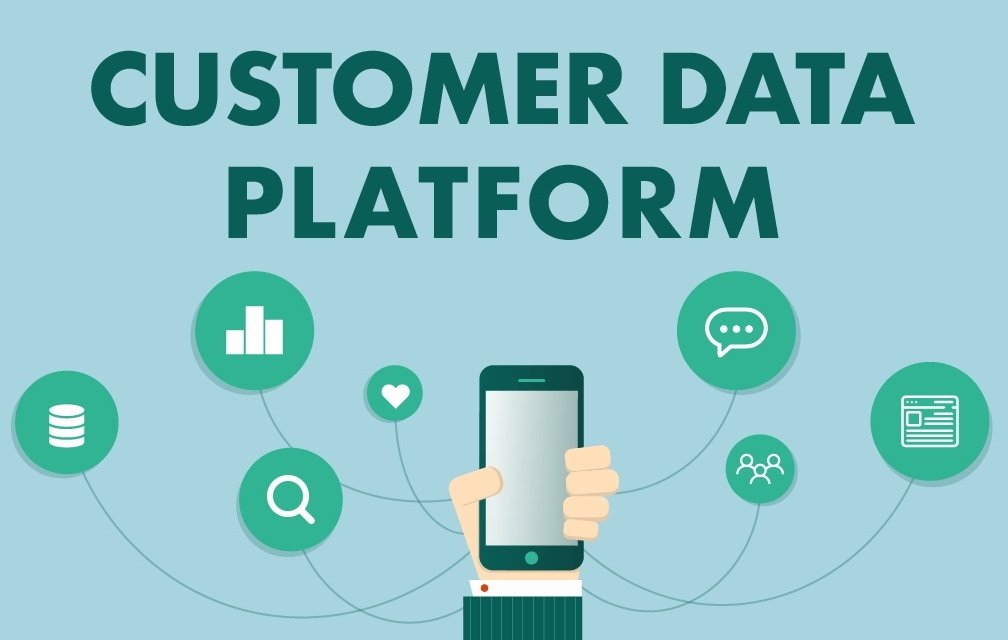
A customer data platform is a centralized system that collects, unifies, processes, and activates customer data from multiple sources.
It combines information from:
- Websites
- Mobile apps
- CRM systems
- Ecommerce platforms
- Email tools
- Customer support systems
- Point-of-sale systems
The goal is to create a unified customer profile that can support personalized engagement across channels.
Why Real-Time Data Matters in Marketing
Traditional marketing often depends on historical data. While historical insights remain useful, they are not always enough to support timely engagement.
Customer intent changes quickly.
For example:
- A user searching for winter jackets today may no longer be interested next week
- Product preferences shift based on browsing behavior
- Purchase decisions can happen within minutes
Real-time data allows businesses to respond while customer intent is still active.
This improves:
- Relevance
- Engagement
- Conversion rates
- Customer experience
How Customer Data Platforms Enable Real-Time Marketing Decisions
Unified Customer Profiles
A customer data platform continuously collects and updates customer interactions from multiple channels.
This creates a real-time customer profile that includes:
- Browsing activity
- Purchase history
- Search behavior
- Engagement patterns
- Device and location data
Unified profiles give marketers a complete and current view of each customer.
Real-Time Data Processing
Modern customer data platforms process customer interactions as they happen.
Instead of waiting for batch updates, businesses can react immediately to:
- Product views
- Cart activity
- Search queries
- Content engagement
This enables faster decision-making and more relevant engagement.
Audience Segmentation in Real Time
Traditional audience segments are often static and updated periodically.
A customer data platform allows marketers to build dynamic audiences based on live behavior.
For example:
- Users currently browsing a category
- Customers showing high purchase intent
- Shoppers who recently abandoned carts
These audiences update continuously.
Trigger-Based Marketing Automation
Real-time customer signals can automatically trigger marketing actions.
Examples include:
- Cart abandonment emails
- Personalized product recommendations
- Loyalty offers
- Re-engagement campaigns
Automation ensures timely communication without manual intervention.
Omnichannel Activation
A customer data platform enables consistent engagement across multiple channels.
For example:
- Website behavior influences email recommendations
- Mobile app interactions affect advertising audiences
- In-store purchases shape future personalization
This creates more seamless customer experiences.
Real-Time Marketing Use Cases
Personalized Product Recommendations
Recommendation engines can update instantly based on customer behavior.
For example:
- Recently viewed products
- Similar item suggestions
- Complementary product recommendations
This improves product discovery and conversion rates.
Dynamic Email Personalization
Emails can adapt based on live customer activity, including:
- Current browsing behavior
- Inventory availability
- Real-time promotions
This increases relevance and engagement.
Real-Time Ad Targeting
Advertising campaigns can update dynamically based on customer interactions.
For example:
- Excluding recent purchasers from campaigns
- Retargeting active product viewers
- Delivering personalized offers
This improves marketing efficiency.
Search Personalization
Customer data platforms can support personalized search experiences by influencing:
- Search result rankings
- Autocomplete suggestions
- Product recommendations within search
This shortens the path to purchase.
Benefits of Real-Time Marketing Decisions
Improved Customer Experience
Customers receive more relevant and timely interactions.
Faster Response to Intent
Businesses can engage customers while interest is still high.
Higher Conversion Rates
Real-time personalization improves purchase likelihood.
Increased Customer Retention
Consistent relevance strengthens long-term relationships.
Better Marketing Efficiency
Automation and dynamic targeting reduce wasted spend.
The Role of AI and Machine Learning
Artificial intelligence enhances customer data platforms by enabling:
- Predictive segmentation
- Behavioral forecasting
- Next-best-action recommendations
- Automated optimization
Machine learning models continuously improve personalization and targeting accuracy.
AI is becoming increasingly important for scaling real-time marketing decisions.
Challenges Businesses Face
Data Fragmentation
Disconnected systems reduce visibility and responsiveness.
Integration Complexity
Connecting multiple platforms can be technically challenging.
Privacy and Compliance
Businesses must use customer data responsibly and transparently.
Scalability Requirements
Real-time processing requires scalable infrastructure.
Addressing these challenges is essential for effective implementation.
Best Practices for Using Customer Data Platforms
Prioritize Data Quality
Clean and connected data improves personalization accuracy.
Focus on Real-Time Capabilities
Timely engagement is critical for modern marketing performance.
Align Teams Across Channels
Marketing, ecommerce, and customer experience teams should work collaboratively.
Start with High-Impact Use Cases
Prioritize journeys that directly influence conversions and retention.
Continuously Optimize
Customer behavior evolves constantly, requiring ongoing testing and refinement.
The Future of Real-Time Marketing
Real-time marketing will continue evolving alongside AI, automation, and customer expectations.
Future trends include:
- Predictive customer engagement
- AI-driven customer journey orchestration
- Real-time omnichannel personalization
- Privacy-first marketing strategies
- Composable customer data ecosystems
Businesses that adapt quickly will gain a major competitive advantage.
Conclusion
A customer data platform is becoming essential for businesses that want to support real-time marketing decisions. By unifying customer data, enabling live audience insights, and activating personalized engagement across channels, it allows organizations to respond faster and more effectively to customer behavior.
As customer expectations continue to rise, delayed and disconnected marketing approaches will become increasingly ineffective. Businesses that invest in real-time customer data capabilities will be better positioned to improve personalization, increase conversions, and build stronger long-term customer relationships.