
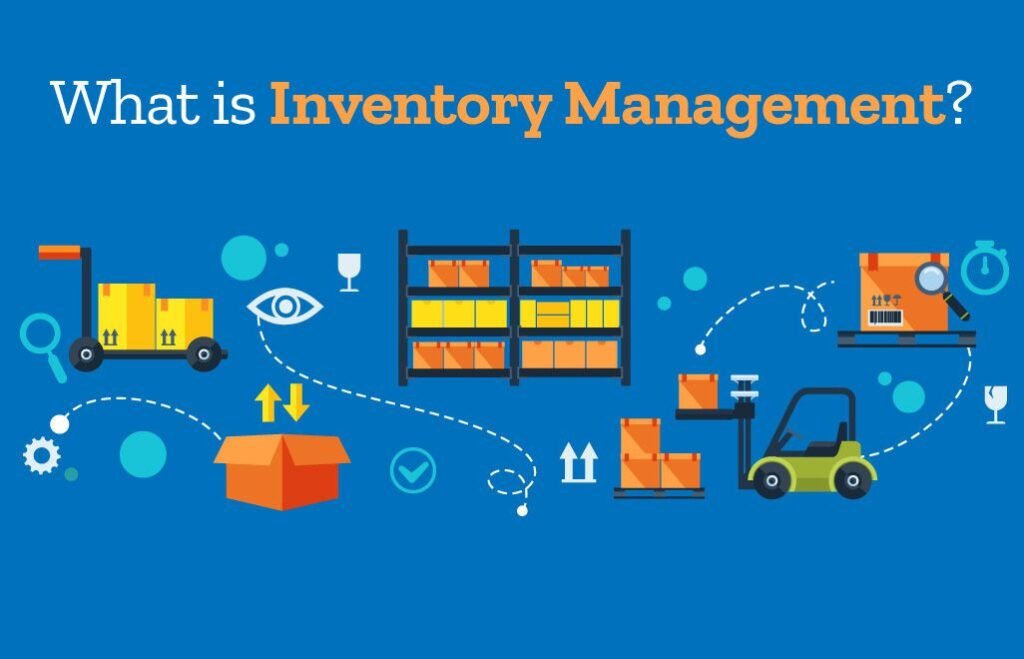

Running a product-based business often feels like a balancing act. If you stock too much, your cash gets tied up in excess goods; stock too little, and you risk disappointing customers with “out of stock” notifications. This is where a robust inventory management system becomes the backbone of a successful operation.
Whether you are a small retailer or a large warehouse distributor, moving away from spreadsheets to automated software is no longer a luxury—it is a necessity. In this post, we’ll explore how these systems provide the visibility you need to control stock levels and significantly reduce operational costs.
What Is an Inventory Management System?
At its core, an inventory management system is a software tool that tracks goods across your supply chain. It monitors items from the moment you place a purchase order with a supplier to the moment a product lands in your customer’s hands.
Unlike manual tracking, which is prone to human error, these systems automate the heavy lifting. They provide real-time data on what you have, where it is located, and when you need to restock. By centralizing this data, businesses gain a clear picture of their inventory health, allowing for faster and smarter decision-making.
Gaining Control Over Stock Levels
One of the primary reasons businesses fail is poor inventory control. Without accurate data, you are essentially guessing what your customers want. Implementing an inventory management system eliminates this guesswork through several key features:
-
Real-Time Tracking: You can see exactly how much stock you have across multiple channels (online store, physical shop, or warehouse) instantly. This prevents selling items you don’t actually have.
-
Automated Reordering: Many systems allow you to set “par levels” or reorder points. When stock dips below a certain number, the system alerts you or automatically generates a purchase order.
-
Demand Forecasting: By analyzing historical sales data, the software can predict future trends. This ensures you are prepared for seasonal spikes without overcommitting to inventory that won’t sell.
How an Inventory Management System Reduces Costs
Effective stock control leads directly to cost savings. Here is how the right software protects your bottom line:
1. Minimizing Holding Costs
Warehousing is expensive. Every inch of shelf space costs money in terms of rent, utilities, and labor. An inventory management system helps you practice “Just-in-Time” inventory, where you only keep the stock you need for the immediate future. This frees up warehouse space and capital that can be reinvested into other areas of the business.
2. Preventing Dead Stock and Spoilage
Products that sit on shelves for too long can become obsolete (dead stock) or, in the case of perishables, expire (spoilage). By tracking batch numbers and expiration dates, your system can alert you to older stock that needs to be sold first (FIFO – First In, First Out), ensuring you don’t lose money on unsellable goods.
3. Reducing Human Error
Manual data entry is a recipe for expensive mistakes. A typo in a spreadsheet could lead to ordering 1,000 units instead of 100. By automating these processes, an inventory management system ensures accuracy, saving the costs associated with returns, rush shipping to fix errors, and administrative cleanup.
Conclusion
In a competitive market, efficiency is king. Relying on outdated methods to track your products will eventually slow you down and eat into your profits. By investing in a modern inventory management system, you gain the power to optimize your stock levels, reduce unnecessary expenses, and focus on what really matters—growing your business.